Nature is something very tangible for children: plants, animals, weather, movement, and being outdoors. When they discover that nature is also part of the history of their own country, a personal connection begins to form. Children realize that their environment, their actions, and their feelings are part of a larger story—and that they themselves can take responsibility for nature and society.
Dates
14 February 2026 · 12:00–5:00 pm · meeting point: Hufelandstraße (Berlin)
21 February 2026 · 12:00–5:00 pm · meeting point: Hufelandstraße (Berlin)
28 February 2026 · 12:00–5:00 pm · meeting point: Hufelandstraße (Berlin)
Mind · Body · Soul
Using Kidskultur’s Mind–Body–Soul approach, children experience history not only intellectually, but with their whole bodies and emotions. The exhibition becomes an active learning space where knowledge, movement, and creative exploration are closely connected.
Mind – Five Rooms, Five Perspectives, a New Focus Each Week
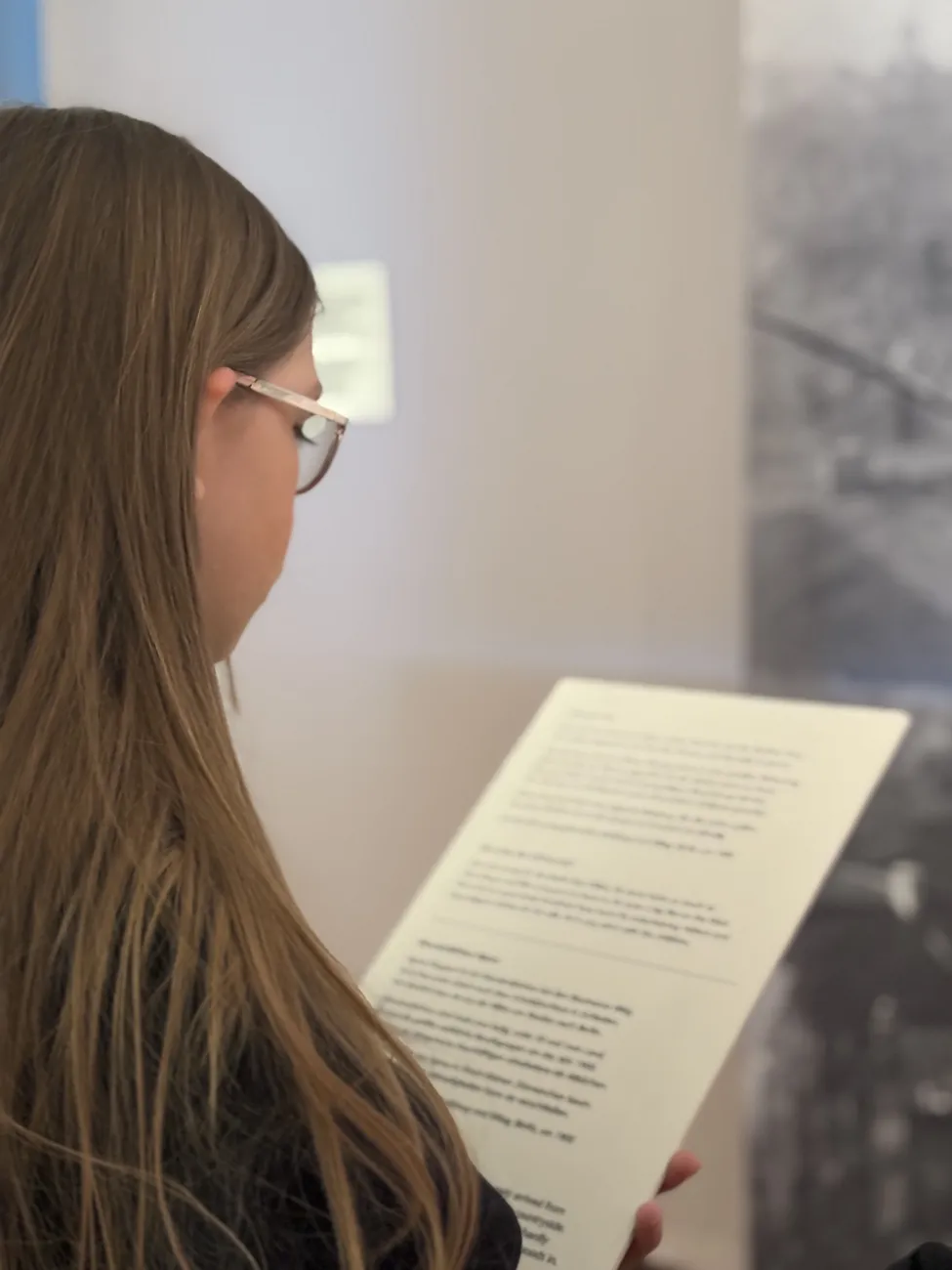
The exhibition is structured into five chronological thematic rooms. Although children will become familiar with all of them over the course of the program, each week focuses on a different room with its own thematic emphasis. This ensures that every session offers new content, new questions, and fresh perspectives—without repetition, even for children who attend all three dates.
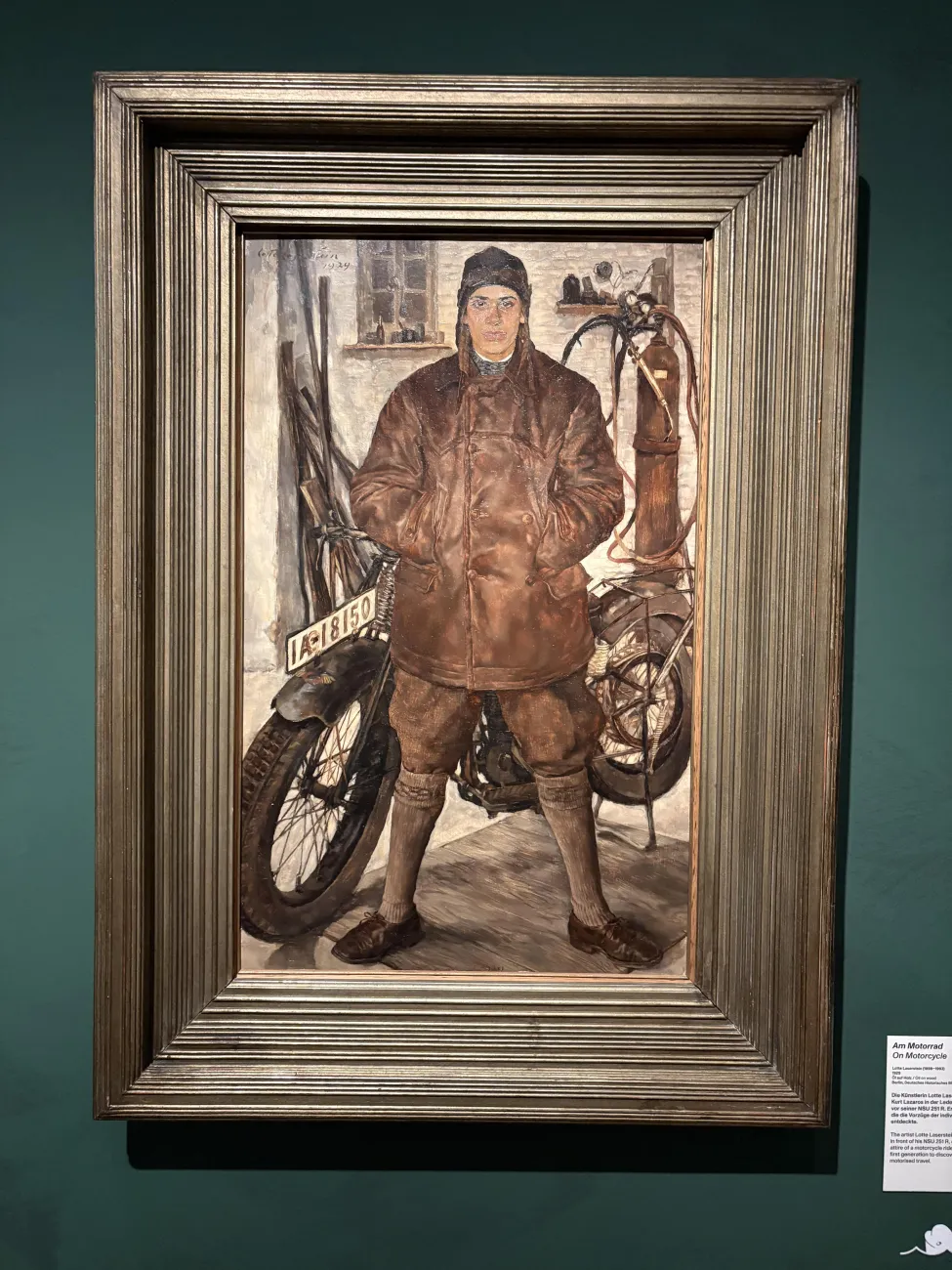
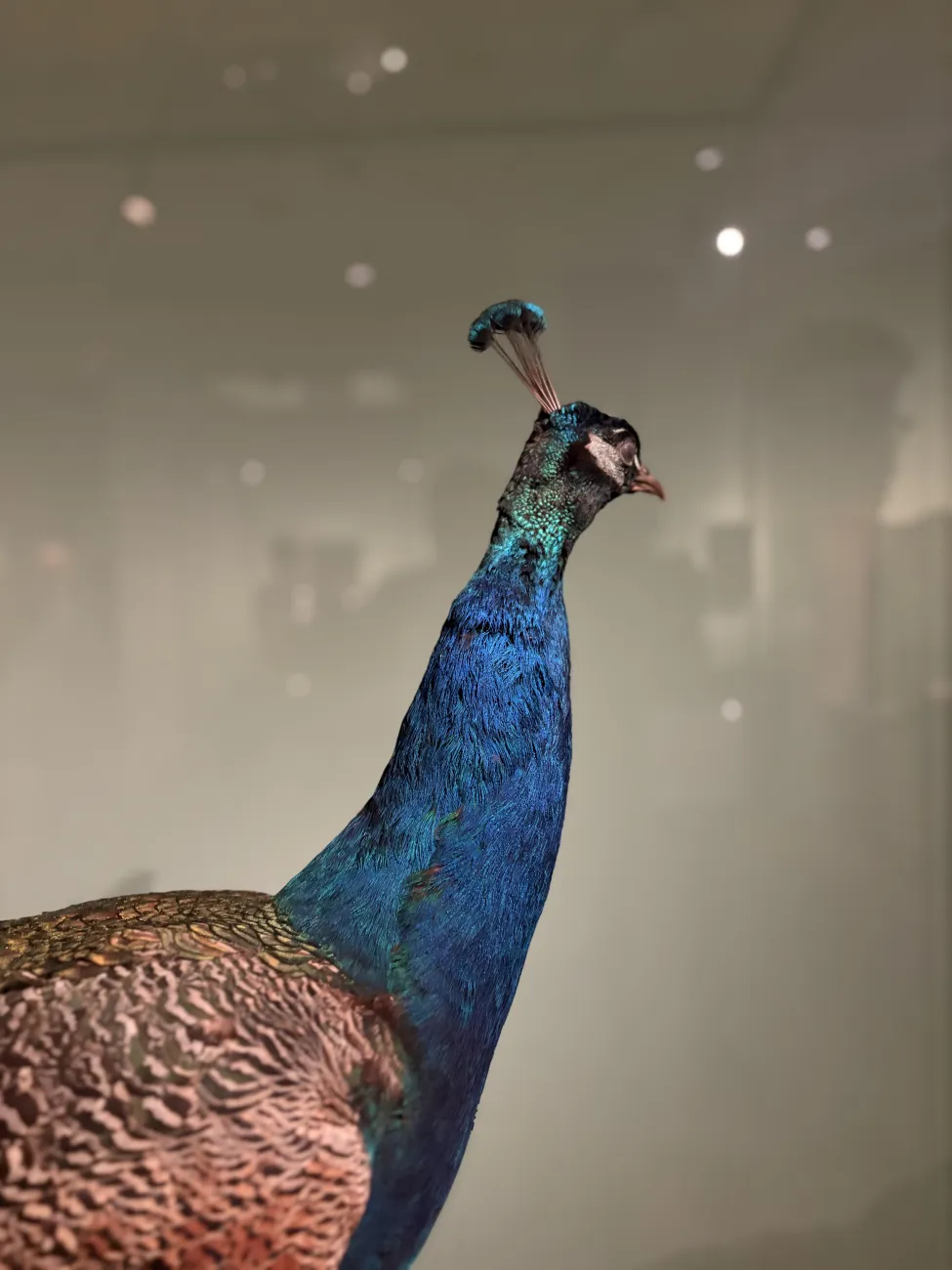
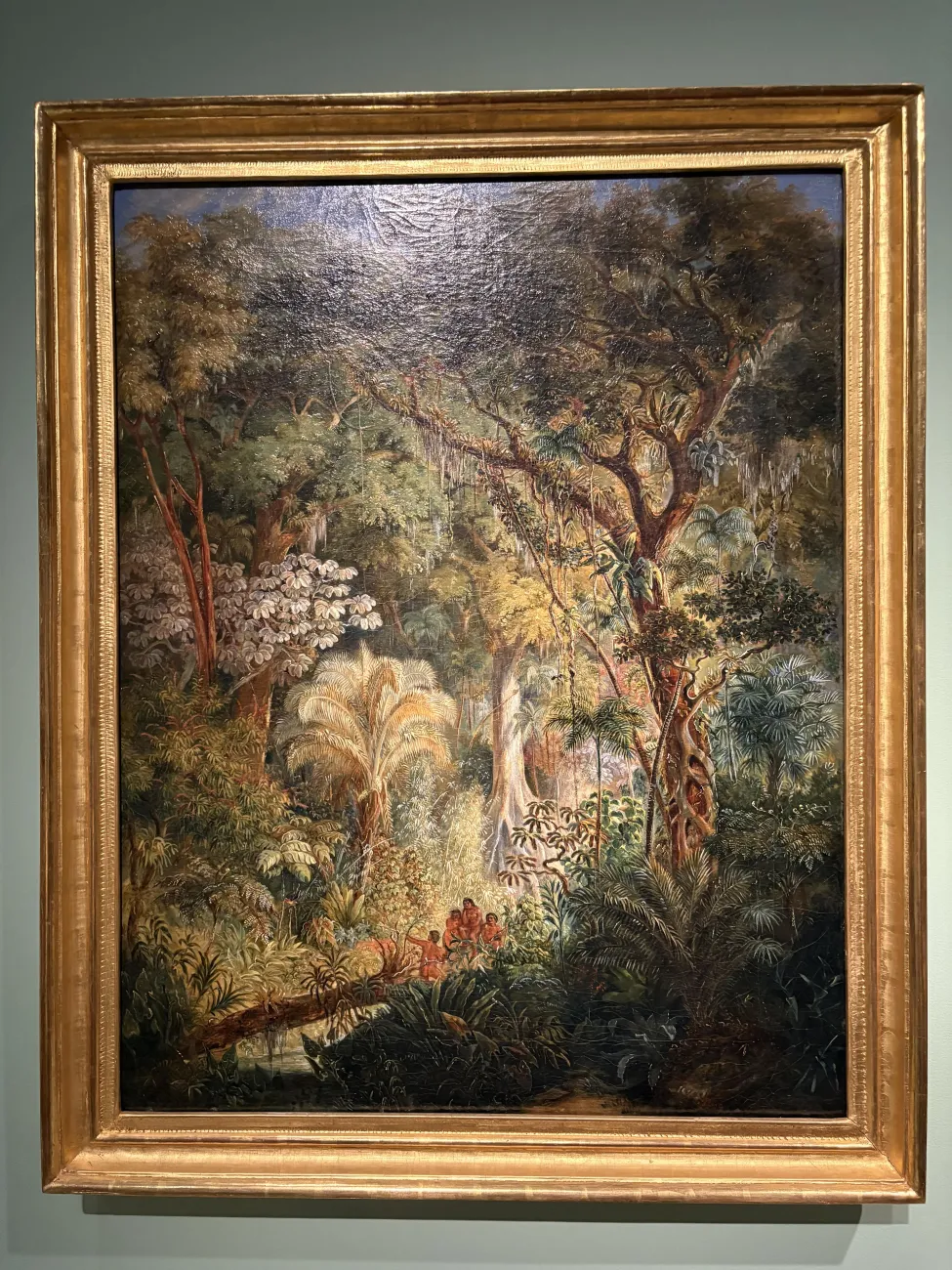
Across the rooms, children encounter key moments from 800 years of German history, presented through vivid “vignettes”:
from Hildegard of Bingen’s idea of “viriditas”, the green life force,
to differing concepts of nature in East and West Germany,
and environmental movements such as the early anti-nuclear protests in Wyhl.
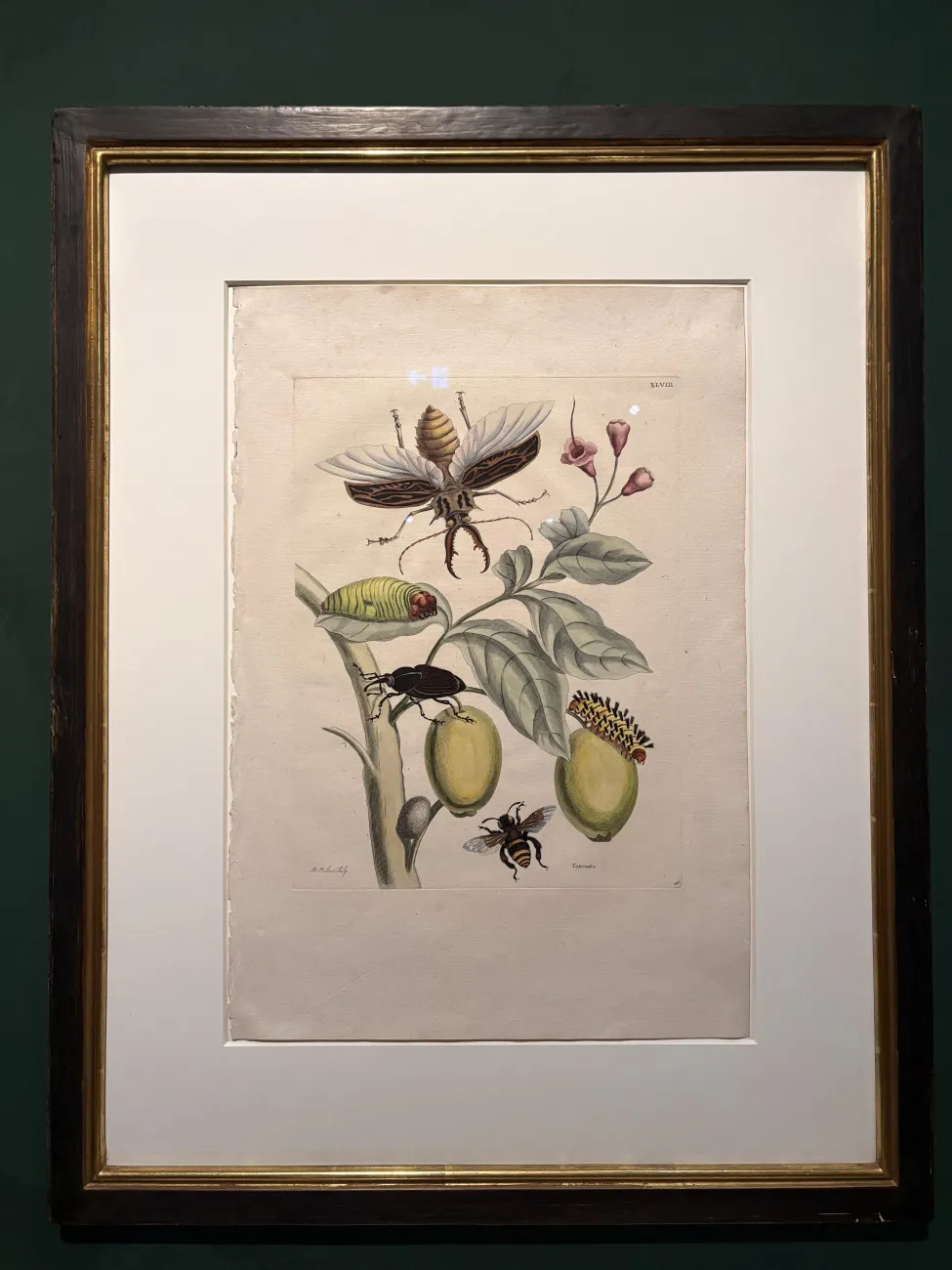
Children discover that “nature” is not a fixed concept, but one that has changed over time—and has repeatedly been shaped and used for political purposes.
Body – Learning Through Movement, Indoors and Outdoors
Physical movement is a core element of the program. Children are not passive observers but actively engaged: they move between stations, explore content through play, and spend a significant amount of time outdoors. Running, discovery, and movement-based activities help children physically process and regulate what they have experienced after the museum visit—supporting concentration, health, and a joyful learning experience.
Soul – Exploring Emotions, Values, and Responsibility
Through a sensitive, age-appropriate approach, children engage with fundamental questions such as:
Who decides what counts as nature?
Are humans part of nature?
How does nature feel to me—inside and outside?
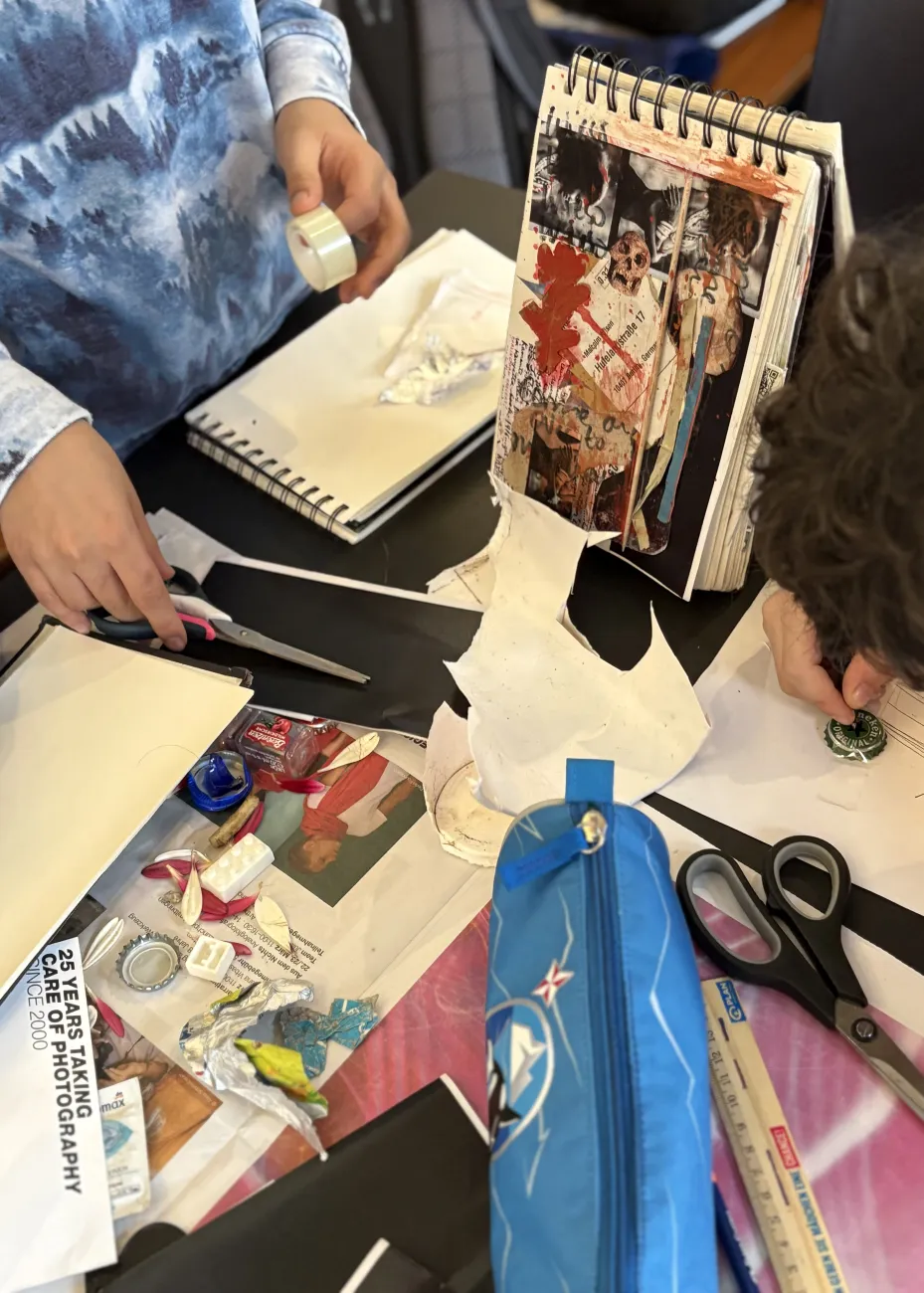
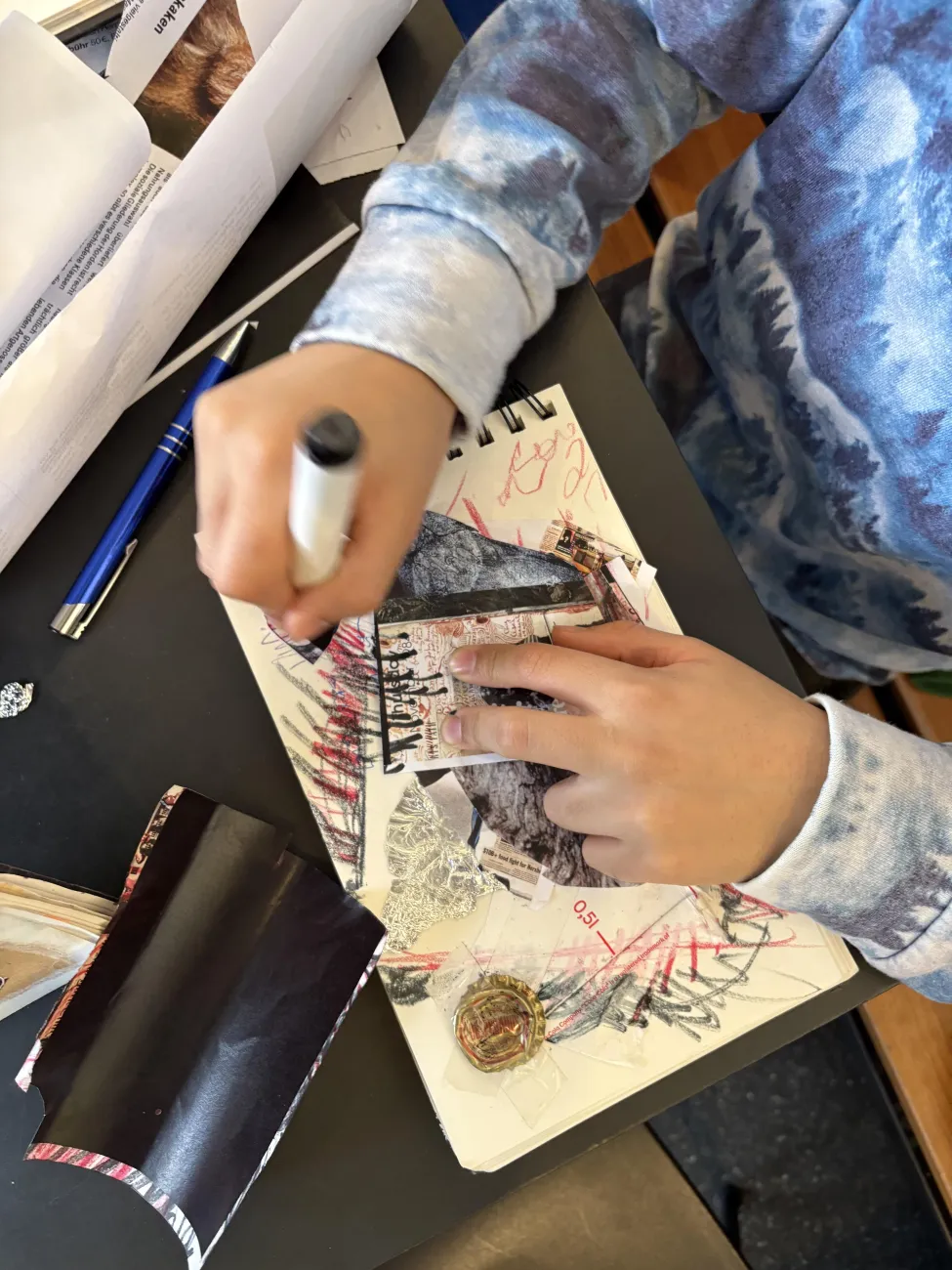
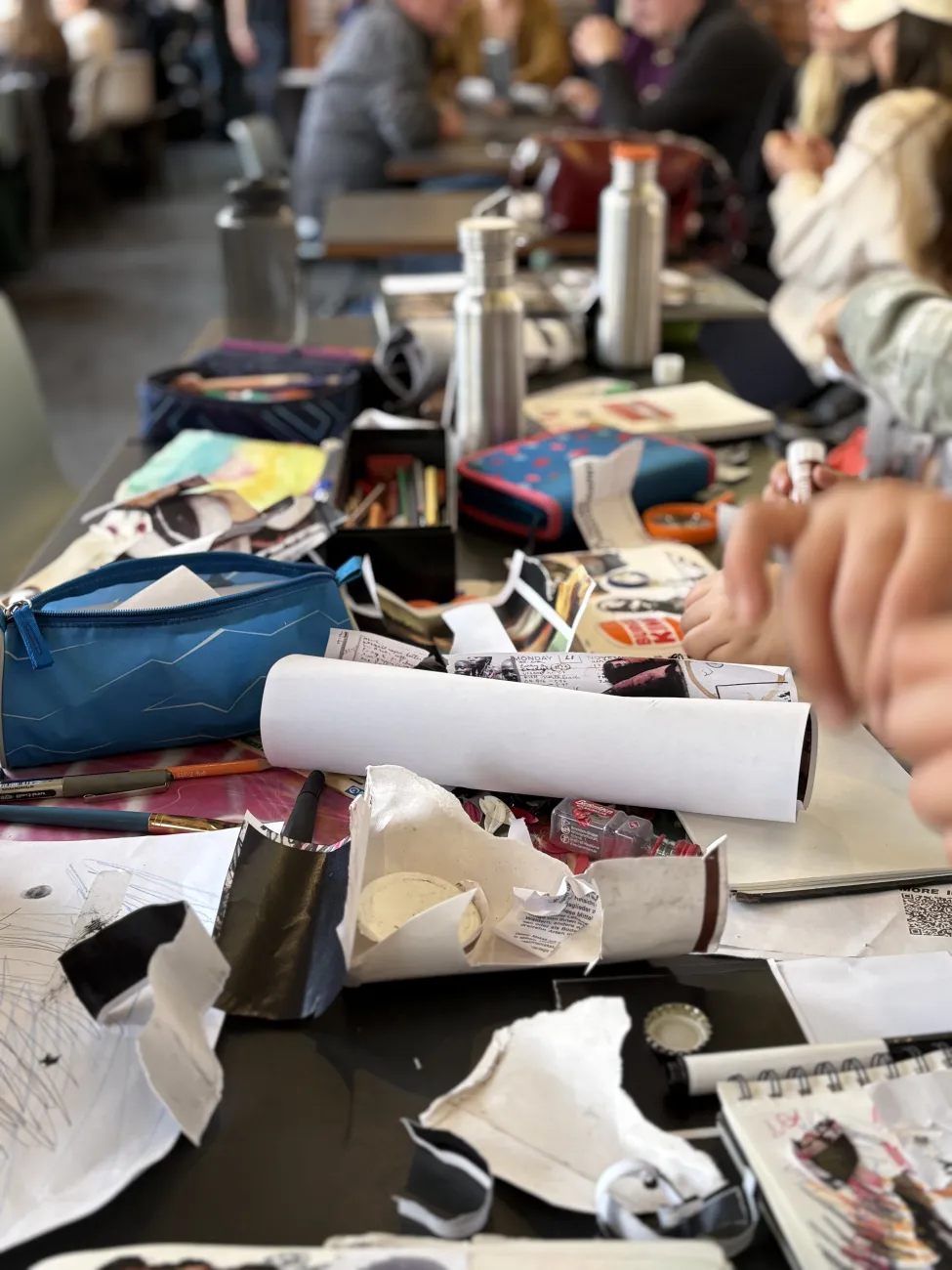
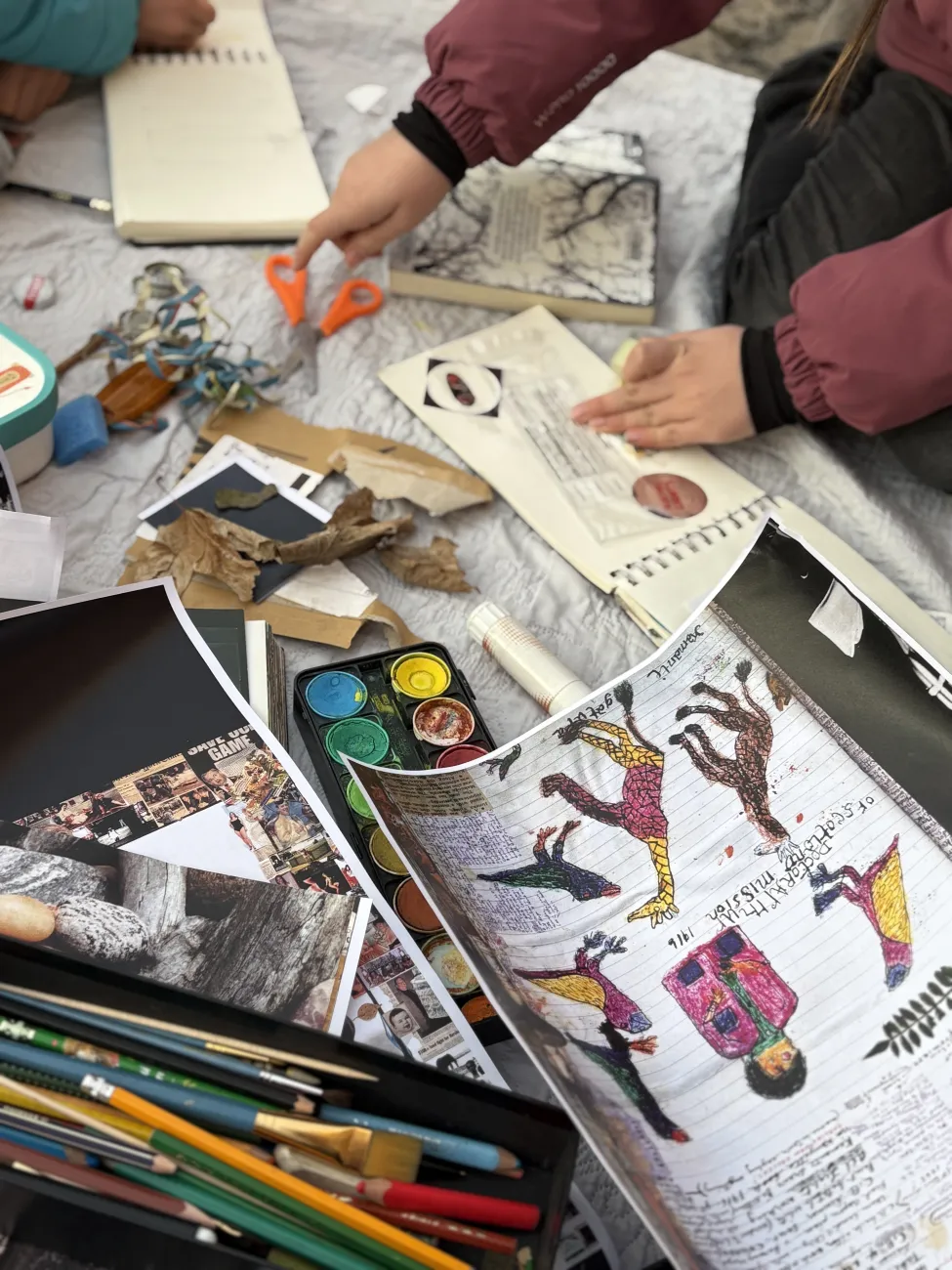
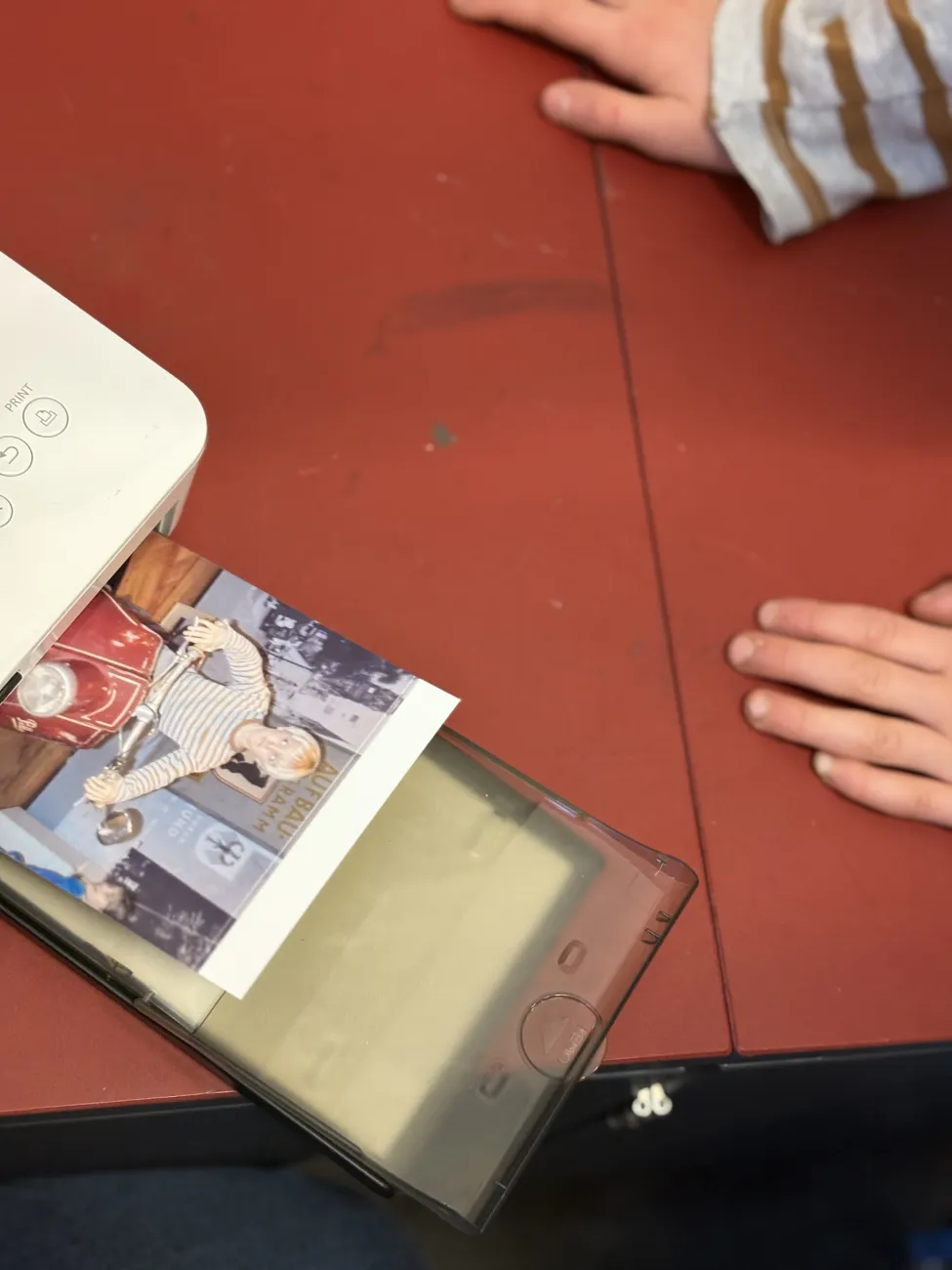
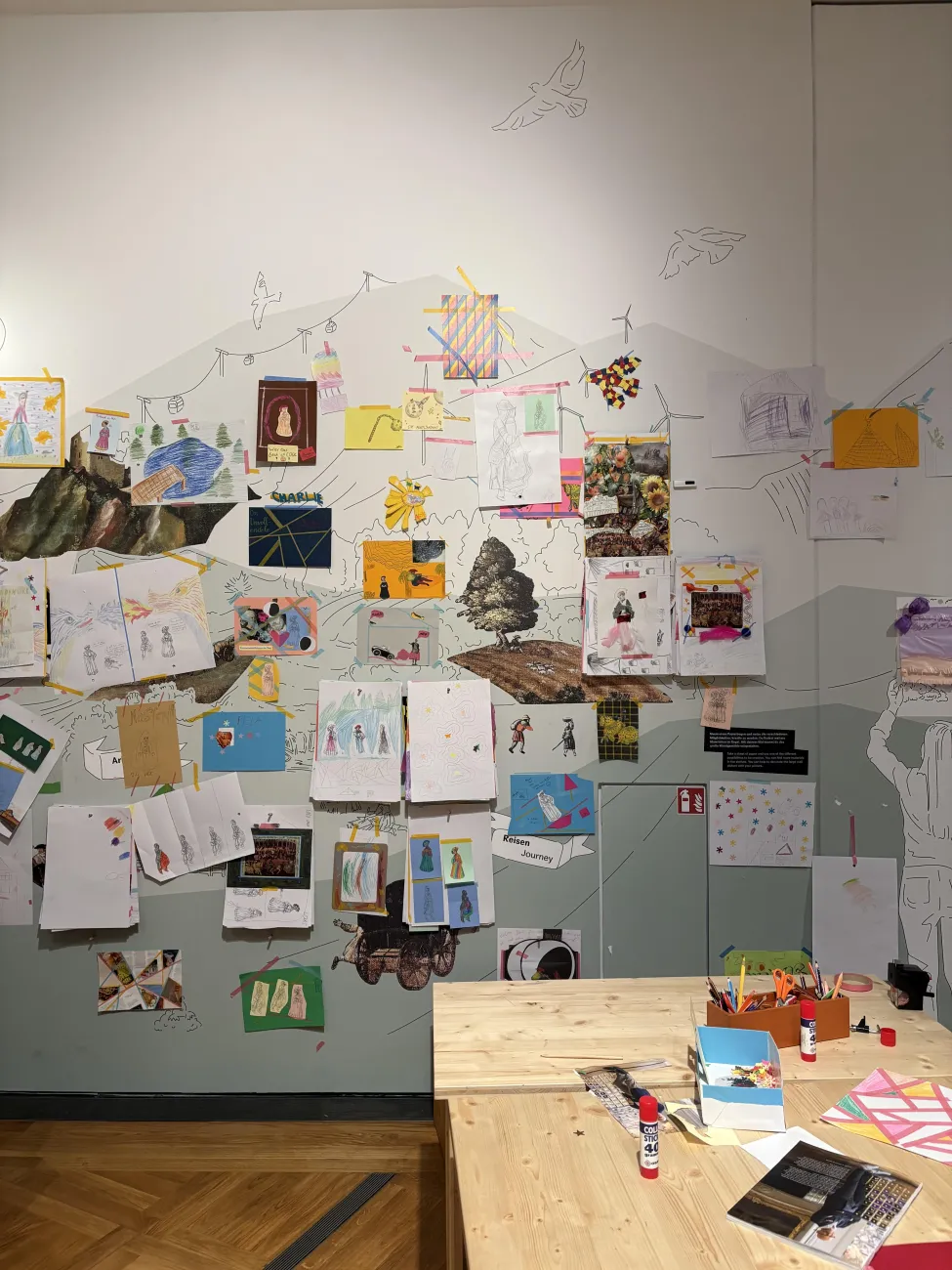
As always, children are invited to deepen and personalize the topic by creating their own artworks on site, helping them reflect on and internalize what they have learned.